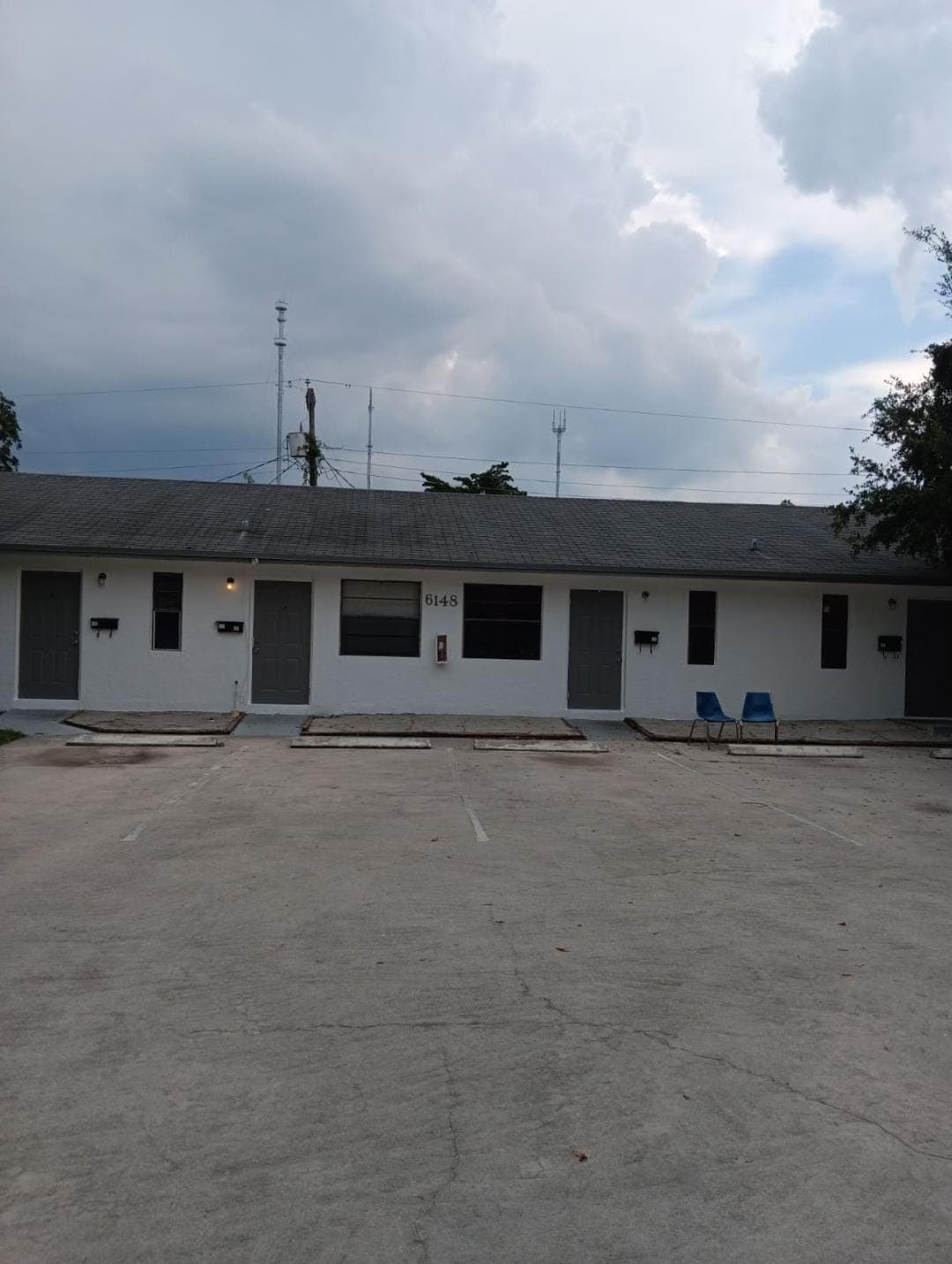
$899,900
Active
$899,900
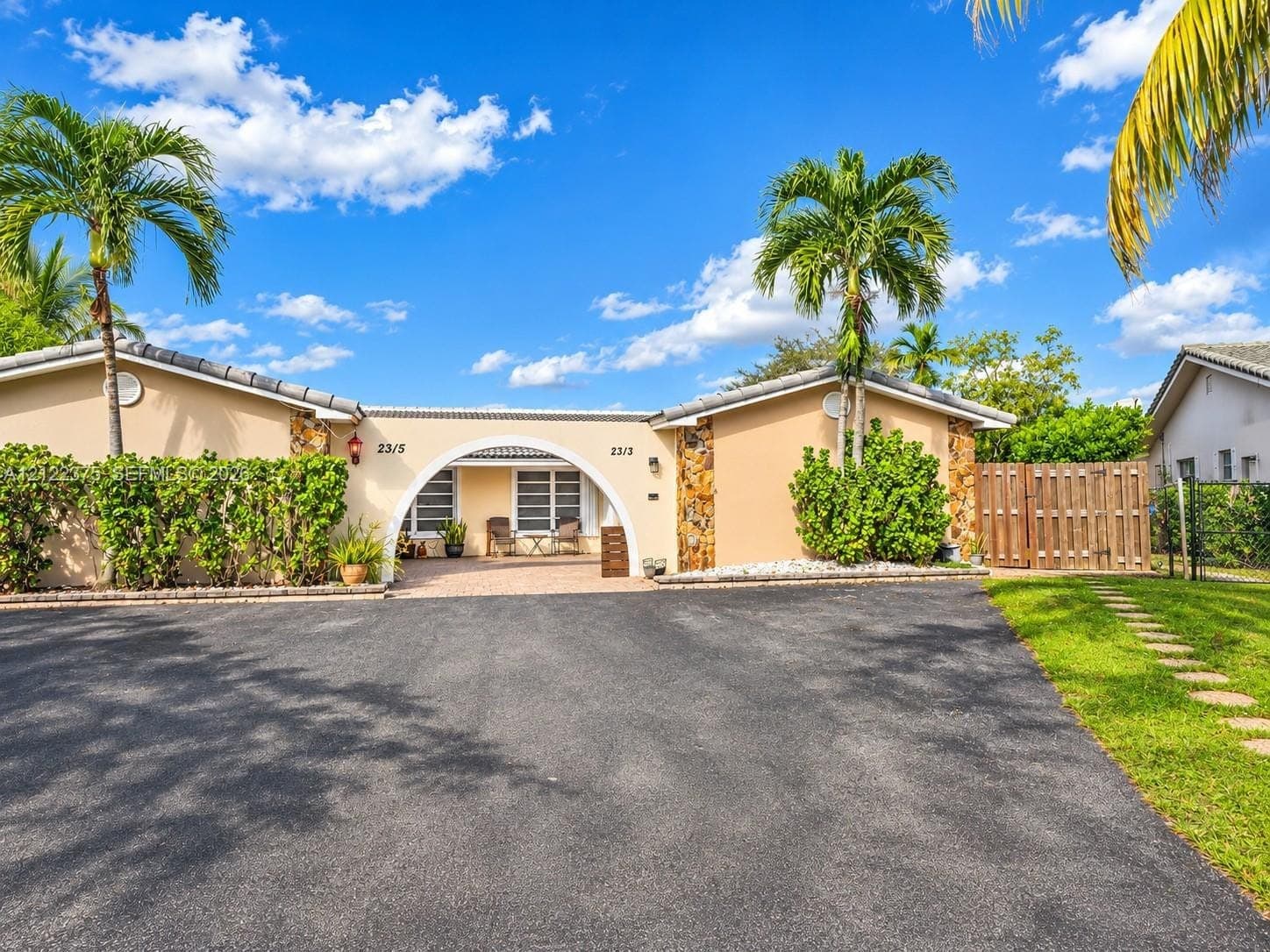
6148 35th
Miramar, FL 33023
2,178 sqft
Rodgers Heights
Duplexes, triplexes and fourplexes across Palm Beach, Broward, Miami-Dade and St. Lucie, with the cap rate, financing, tax and landlord basics you need before you offer.
South Florida investment properties range from a single rented condo to a large apartment building. This guide covers the small end of that market: duplexes, triplexes and fourplexes in Palm Beach, Broward, Miami-Dade and St. Lucie counties. It explains how to price a deal, how to finance it and which Florida rules shape your returns.
Pure Equity Realty represents buyers on these purchases, and our sister company Mortgage Capital finances them. So you can run the numbers, line up a loan and make an offer with one team.
As of November 2026, the MLS data we sync shows 1,377 active multi-family listings across our four core counties. Miami-Dade has the most, with 644. Broward follows with 502, then Palm Beach with 182 and St. Lucie with 49.
Duplexes make up most of that supply. In Miami-Dade, 418 of the 644 listings are duplexes. Fourplexes come next with 165, while triplexes are the rarest at 60. Broward shows the same pattern, with 285 duplexes, 130 fourplexes and 85 triplexes.
Median asking prices also differ by county. The Miami-Dade median is about $989,000. Broward sits near $775,000 and Palm Beach near $747,000. St. Lucie is the value market, with a median ask around $515,000. These are asking prices, not sale prices, so treat them as a starting point.
You can browse every active listing on our multi-family listings page, or scroll down to the live grid on this page.
1,486 active listings
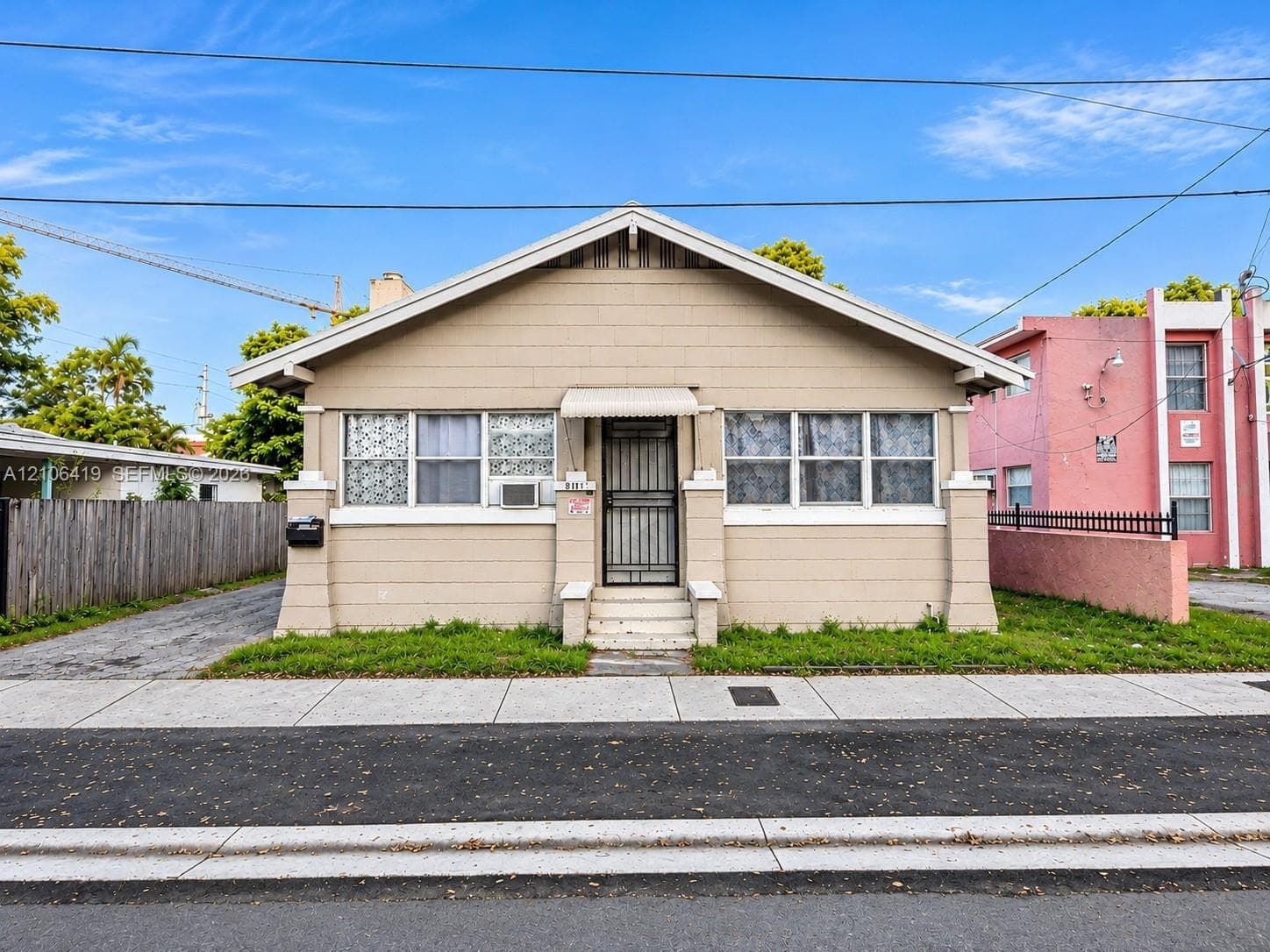
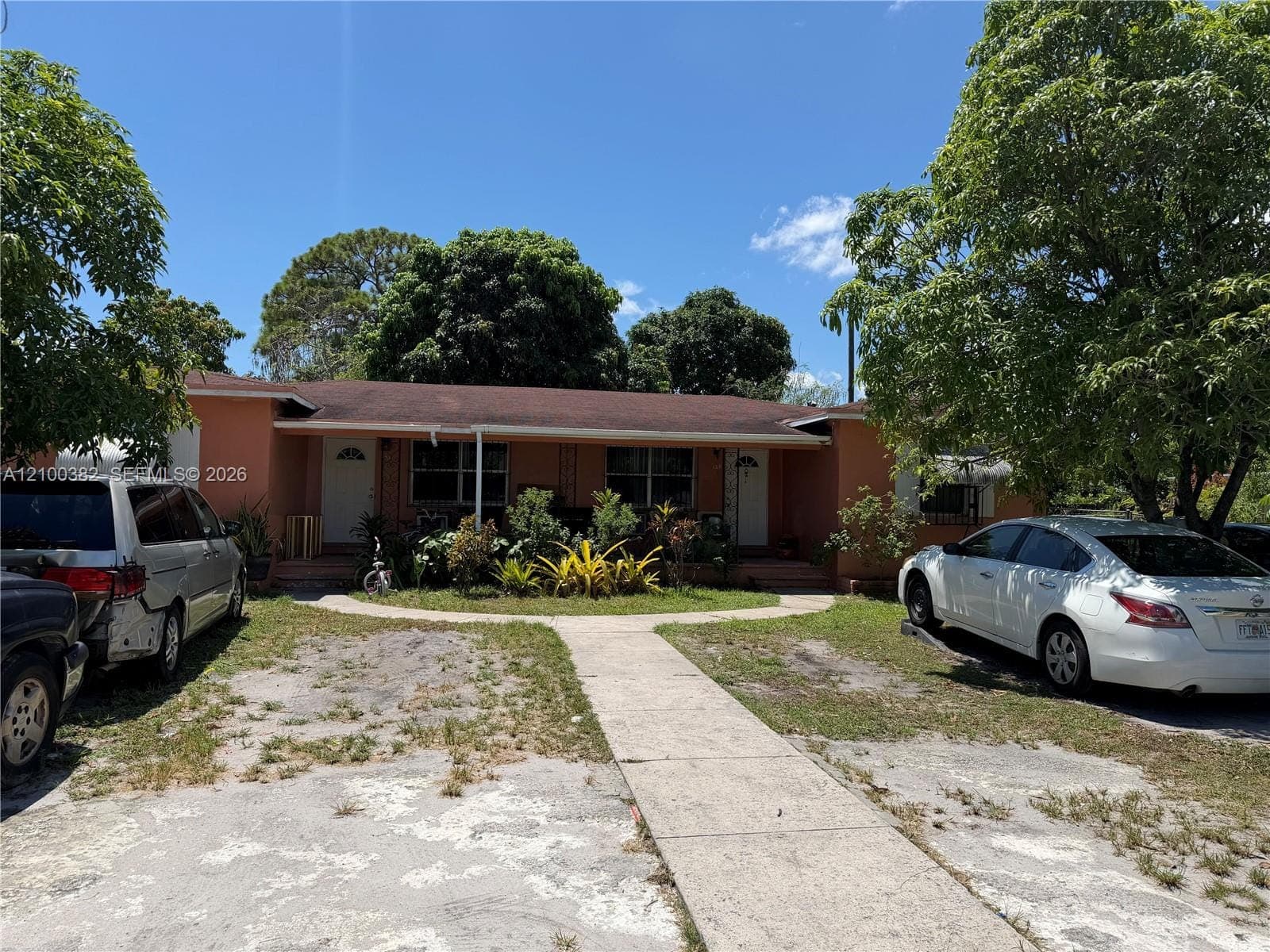
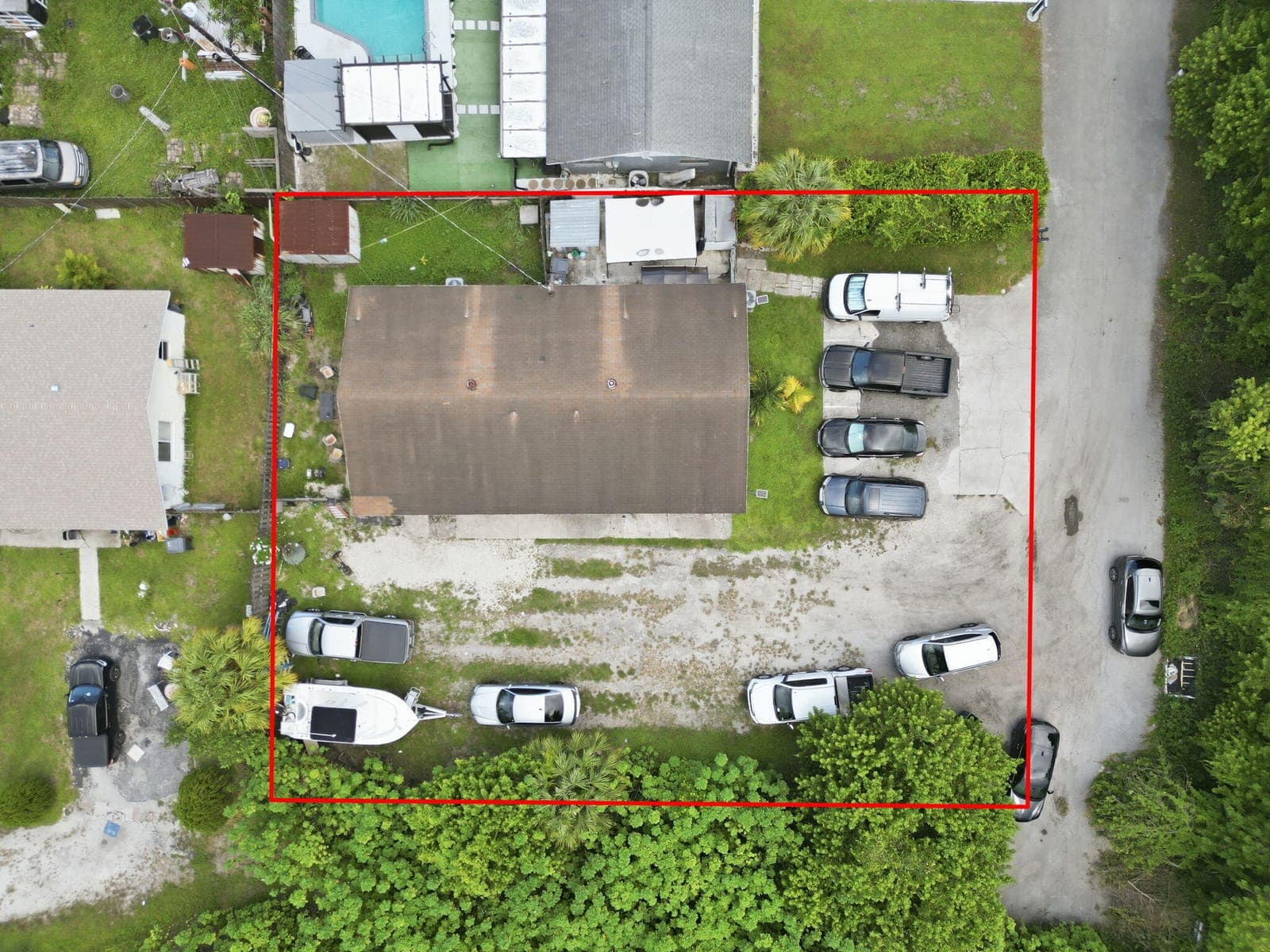
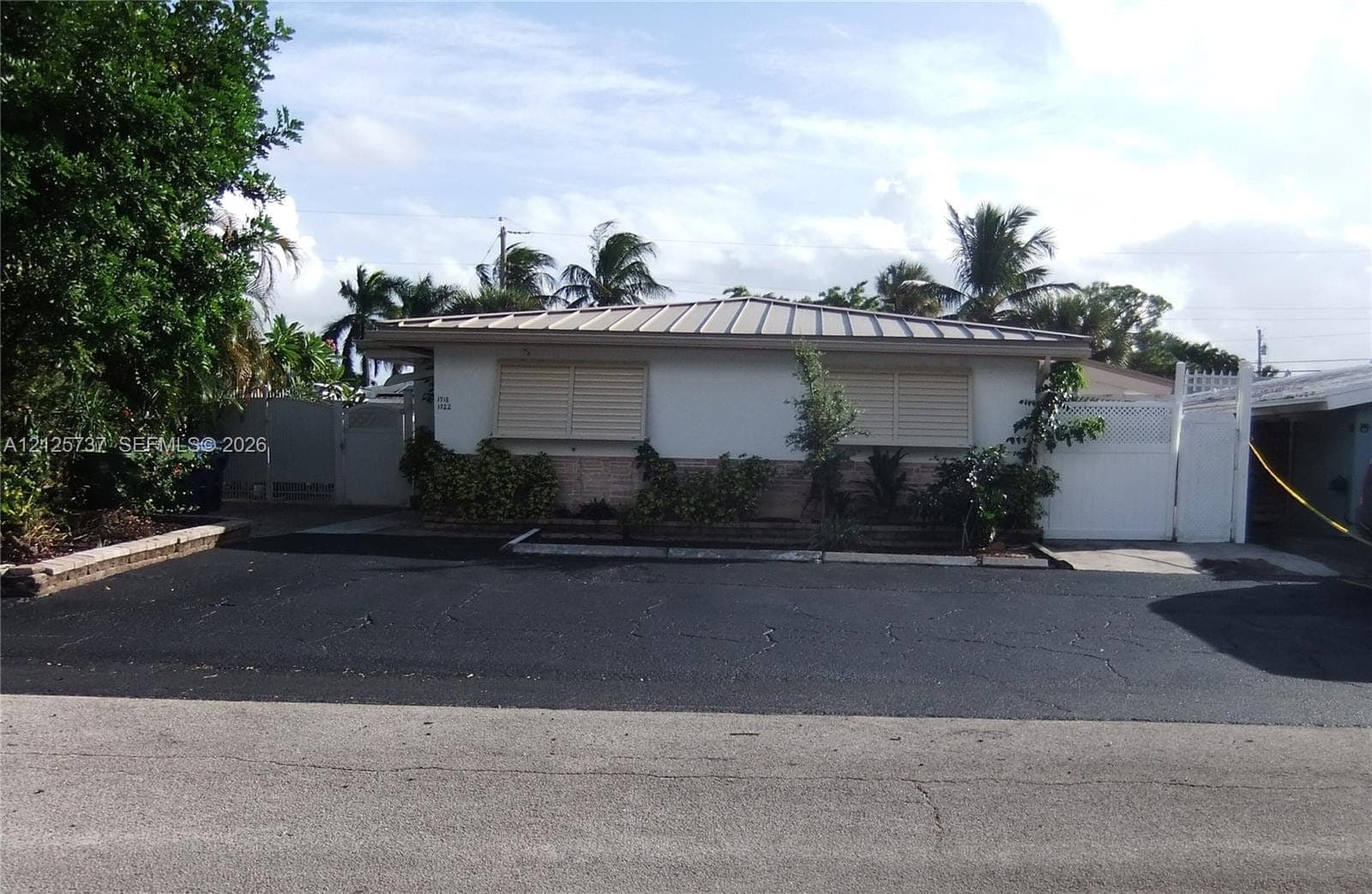
Information is provided exclusively for consumers' personal, non-commercial use and may not be used for any purpose other than to identify prospective properties consumers may be interested in purchasing. Data deemed reliable but not guaranteed. © 2026 Beaches MLS, Inc.
The capitalization rate, or cap rate, compares a property's net income to its price. First, add up a full year of rent. Next, subtract vacancy and every operating cost. That gives you net operating income, or NOI. Finally, divide NOI by the purchase price.
Here is a simple example with round numbers. Say a fourplex costs $1,000,000 and each unit rents for $2,200 a month. Gross rent is $105,600 a year. Then allow 5% for vacancy, which leaves $100,320. Next, take out taxes, insurance, repairs, water, trash and management. If those total $45,000, NOI is $55,320. So the cap rate is about 5.5%.
Cap rate ignores your loan. For that reason, also check cash-on-cash return. It divides your yearly cash flow after the mortgage by the cash you put in. A deal can show a decent cap rate and still lose money each month if the loan payment is too high.
Always build NOI from real numbers. Ask the seller for a rent roll, copies of signed leases and 12 months of utility and repair bills. Projected rents in a listing describe what a seller hopes for, not what tenants pay today.
A debt service coverage ratio loan, or DSCR loan, qualifies the property instead of your tax returns. The lender divides the expected rent by the monthly payment, including taxes, insurance and any association dues. A ratio of 1.0 means the rent covers the payment exactly. Most lenders want the ratio at or above that line.
Because DSCR loans look at the property, they suit self-employed buyers and investors who own several rentals. However, they usually need a larger down payment than an owner-occupied loan. Read more on our Florida DSCR loan page, or ask Mortgage Capital for a quote on a specific address.
If you plan to live in one unit, you have other options. FHA and conventional programs allow owner-occupied purchases of two to four units. Then the rent from the other units can help you qualify. Each program has its own occupancy rules, so confirm them with a loan officer before you write an offer.
Lenders draw a firm line at four units. A building with one to four units counts as residential, so it can qualify for residential mortgages, including DSCR loans. A building with five or more units counts as commercial real estate.
Commercial loans work differently. The lender looks hard at the property's income, the borrower's experience and the condition of the building. Terms are often shorter, and many commercial loans adjust or balloon after a set period. Appraisals also lean on income, not just recent sales of similar buildings.
For a first purchase, a duplex to fourplex keeps the financing simpler. Larger buildings spread vacancy risk across more units. But they bring commercial underwriting, larger reserves and, often, professional management. Compare options on our commercial listings page if a bigger building interests you.
Residential rentals in Florida follow Part II of Chapter 83 of the Florida Statutes, the Florida Residential Landlord and Tenant Act. Read it before you buy, because it sets the rules on deposits, notices, repairs and evictions.
Security deposits have tight deadlines. Within 30 days of receiving a deposit, a landlord must tell the tenant in writing where the money sits. After a tenant moves out, the landlord has 15 days to return the deposit if there is no claim against it. If there is a claim, the landlord has 30 days to send written notice by certified mail.
For unpaid rent, the usual first step is a three-day notice to pay or leave. The three days exclude weekends and legal holidays. If the tenant does not pay, the landlord files an eviction case in county court. Self-help steps, such as changing the locks or shutting off utilities, break Florida law.
Fair housing rules apply to every rental as well. So screen every applicant with the same written criteria, and keep a record of each decision.
Insurance is often the largest cost surprise for new Florida investors. Premiums depend on the roof's age, the building's construction, its distance to the coast and its flood zone. So get a quote during your inspection period, not after closing.
A wind mitigation inspection can lower the windstorm part of a premium. Florida insurers must offer discounts for features that reduce wind damage, such as hip roofs, roof-to-wall straps and impact-rated windows or shutters. An inspector records those features on a state form, and the insurer applies the credits.
Flood coverage is separate from a standard policy. If your lender requires it, the property's flood zone sets the minimum. Even outside a required zone, ask for a quote, because heavy rain can flood streets far from the ocean.
Older buildings also bring roof questions. Some insurers will not write a new policy on an older roof without an inspection. Ask the seller for the roof permit date early.
Florida's Save Our Homes rule caps yearly increases in the assessed value of a homestead. That cap does not apply to rental property. Instead, non-homestead property has a separate cap. It limits yearly increases in assessed value to 10% for most taxes other than school taxes.
The cap resets at a sale. So after you buy, the county property appraiser reassesses the property at market value. As a result, the seller's current tax bill can understate what you will pay. Base your budget on the purchase price and the local millage rate instead.
Each county sets its own millage. The Florida Department of Revenue explains how assessments and exemptions work statewide.
Not every investment property is a multi-family building. Many investors buy condos or homes in a homeowners association. In that case, the association's documents matter as much as the price.
Read the declaration, bylaws and rules before you go under contract. Look for minimum lease terms, limits on how many units may rent at once, waiting periods for new owners and tenant approval fees. Some associations bar rentals for the first year or two of ownership.
Florida law limits how some new rental restrictions apply to owners who bought before the change. However, the details depend on the type of association and the wording of the amendment. Ask an attorney to review the documents if rentals are central to your plan.
Short-term rentals add another layer. Rentals of six months or less owe Florida sales tax and local tourist development tax. Many cities also require a separate registration.
A Section 1031 exchange lets an investor defer federal capital gains tax. You sell one investment property and buy another like-kind property. You must hold both for investment or business use, so a primary residence does not qualify.
The timeline is strict. You have 45 days from the sale to identify replacement properties in writing, and 180 days to close on the purchase. A qualified intermediary must hold the sale proceeds, because touching the money can end the exchange.
Exchanges have many technical rules. Talk to a tax advisor and a qualified intermediary before you list the property you plan to sell. Our capital gains guide covers the basics of tax on a home sale.
We start with your numbers. Tell us your budget, target cap rate and preferred areas. Then we pull active listings, request rent rolls and build a simple pro forma for each property you like.
Next, Mortgage Capital prices the loan, so you know the real payment before you offer. Finally, Verified Title, our in-house title company, can handle the closing.
Already own South Florida investment properties and ready to sell one? See how our 1% listing works.
There is no single good number, because cap rate tracks risk and location. Coastal buildings in high-demand areas often trade at lower cap rates, since buyers accept less income for steadier demand. Inland and older buildings usually price at higher cap rates to make up for more risk. So compare a property against recent sales of similar buildings nearby. We can pull those comparisons and build a pro forma for any listing you are considering.
Yes. A duplex, triplex or fourplex counts as residential property, so it can qualify for a DSCR loan. The lender compares the expected rent with the full monthly payment, including taxes, insurance and any dues. If the rent covers the payment at the lender's required ratio, the loan can move forward without your personal income documents. Down payment and reserve rules vary by lender and credit score. Ask Mortgage Capital for a quote on the specific property.
Usually, yes, compared with a homestead. A rental does not get the homestead exemption or the Save Our Homes cap. Instead, its assessed value can rise up to 10% a year for most non-school taxes. Also, the county reassesses the property at market value after a sale. That means the seller's tax bill may be much lower than yours will be. Budget from the purchase price and the local millage rate instead.
The standard first step is a written three-day notice to pay the rent or give up the unit. The three days do not count weekends or legal holidays. If the tenant neither pays nor leaves, the landlord can file an eviction case in county court. Never change the locks or cut off utilities to force a tenant out, because Florida law prohibits those steps. Many investors hire a property manager or an attorney for this process.
Yes, in most cases. A fourplex is the largest building that still qualifies for residential financing. At five units, the property becomes commercial real estate, so it needs a commercial loan. Commercial lenders study the building's income, its condition and the owner's track record closely. Terms are often shorter and may include a balloon payment. For a first investment, a two to four unit property usually keeps the loan process simpler.
Buyer representation from Pure Equity Realty, plus DSCR and investment financing from Mortgage Capital.
Get Pre-Approved